
 INRhttps://old-age-homes.antaraseniorcare.com/care-homes/gurugram/nirvana-country/antara-care-home-in-nirvana-country-gurugram--3vbJLa/articles/transition-care-after-hospitalisation--d51e1f62-75f3-429b-aff1-95446d9f1335
Nirvana RoadNirvana Country, gurugram122018
Antara Care Home, Nirvana Country, gurugram
Premium Old Age Home in Nirvana Country, Gurugram, Haryana - 122018
08037220939
Request A Call Back
Antara Care Home Social Feeds in Nirvana Country, gurugram
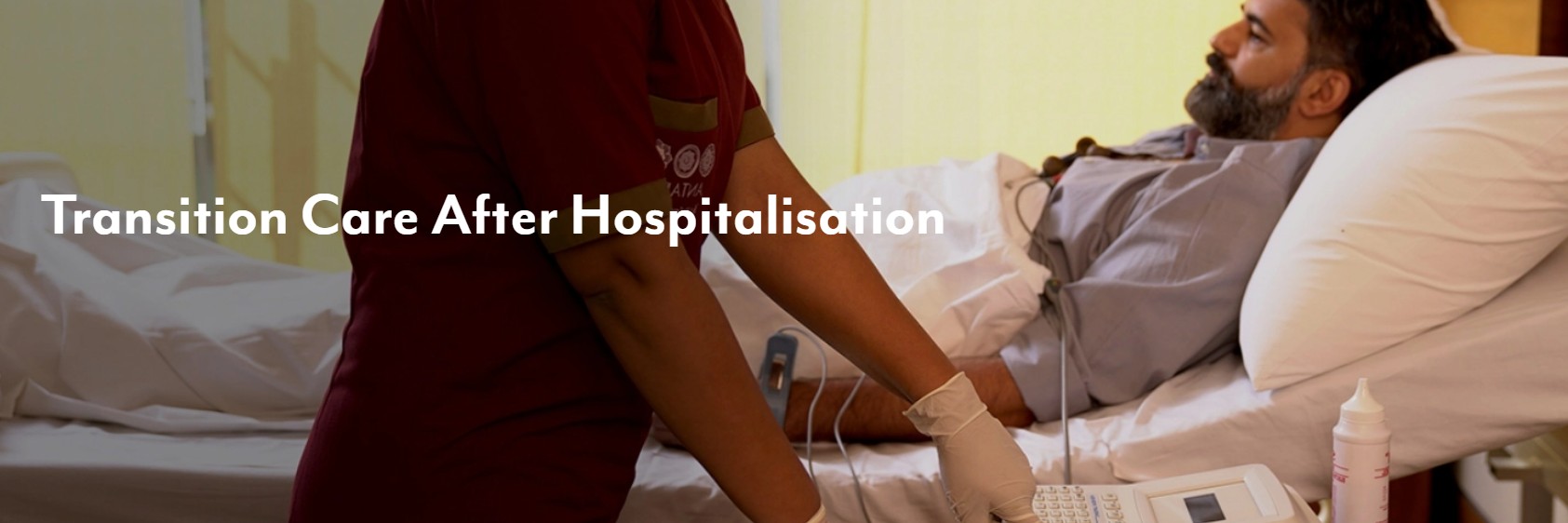
Transition Care After Hospitalisation
Medicare statistics paint a concerning picture. About 20% of elderly patients return to hospitals within a month of discharge, and one in five patients faces health issues during their recovery period. These numbers show why transition care after hospital stays matters so much.
Good transition care makes a real difference. Patient care programmes that work well can cut hospital readmissions by 20-40% in the first six months after discharge. However, patients and their families still struggle during this significant period. Poor communication and lack of preparation for home care often cause these problems.
This complete guide covers everything in transition care. You'll learn about common patient challenges and practical steps to ensure safe recovery after leaving the hospital. The guide also covers preparation for discharge, medication management, and signs that tell you when you need more help.
What is Transition Care Management After Hospital Stays
Transition care helps patients move smoothly from the hospital back to their homes or other care settings through coordinated support and healthcare services. Patients don't have to face challenges alone during this vulnerable period after leaving the hospital. Many patients need extra support after discharge to recover fully and become independent again.
The Australian Transition Care Programme describes this as a complete process. It helps patients build physical strength and psychological fitness before they return to their regular routines. Doctors work together to address many aspects of a patient's health needs instead of leaving them to direct their recovery alone.
Key parts of good transition care
Several vital components must work together for transition care to succeed. Research points to eight core elements that are the foundations of effective transition care services:
- Patient and caregiver participation: Working with patients and their family members to make decisions about care plans and treatment goals. This discussion helps identify what matters most to them and encourages shared accountability.
- Complexity and medication management: Spotting potential health problems early and checking medications properly. Studies show that medication errors often happen during care transitions and can cause adverse events.
- Patient and caregiver education: Giving complete information about managing health conditions, medication schedules, and warning signs that need medical attention.
- Well-being support: Understanding the emotional side of recovery and offering resources to help patients and caregivers handle stress.
- Care continuity: Making sure doctors share information quickly, and patients can access appropriate services after discharge.
- Accountability: Healthcare teams take responsibility for delivering high-quality transition services that match individual needs.
These components need attention as part of a comprehensive care process rather than separate interventions. Each component receives different levels of focus based on the unique needs of the patient and their caregiver.
Why Transition Care Matters for Recovery
Better health outcomes after hospitalisation depend heavily on transition care. Research shows one in five patients might receive unsafe or poor care around discharge time. This happens because care coordination and continuity don't work very well.
Good transition care brings significant benefits:
- Reduced hospital readmissions: Patients who receive complete transition care have lower odds of readmission than others. One study found that readmission rates dropped by 20-40% within six months for patients with transition support.
- Faster recovery: Recovery speeds up with customised rehabilitation programmes and proper support.
- Improved patient satisfaction: Patients feel more satisfied when transition care focuses on their needs, priorities, and goals.
- Greater independence: Patients return to daily activities with more confidence through occupational therapy and other support services.
Older adults and people with chronic conditions benefit most from transition care because they often have complex medical needs. Recovery takes longer without proper transitional services, and patients might not reach their full recovery potential without professional help.
Common Problems During Care Transitions
The trip from hospital to home brings several key challenges that can affect patient recovery. Studies show that almost 49% of patients face at least one medical error after discharge. These problems can undermine even the best-planned transition care programmes. Knowing these common problems helps patients and caregivers guide this sensitive period safely.
Medication mix-ups and how to avoid them
Medication errors are the most common and preventable cause of patient harm during transition care after hospitalisation. Research shows that over 40% of medication errors stem from poor reconciliation during admission, transfer, and discharge. About 20% of these errors cause actual harm.
Common causes of medication mix-ups include:
- Confusing changes in medication names, colours, or shapes
- Missing documentation about medication changes
- Complex discharge instructions full of medical jargon
- Money problems leading to unfilled prescriptions
- Memory and understanding issues due to cognitive impairment
Patients should create a simple medication list with their doctors to lower these risks. It also helps to ask for a pharmacist consultation before discharge. One caregiver said, "The pharmacist was my lifeline. She sat there with me for like 20 minutes, and that just made all the difference."
Communication gaps between doctors
Poor communication between doctors puts patient safety at risk during care transitions. A study in the Journal of General Internal Medicine found that 80% of serious medical errors involve miscommunication between caregivers during these transitions.
Doctors face these communication challenges:
- Multiple communication methods create confusion
- Information overload buries important details
- Care coordination becomes difficult with multiple doctors in different settings.
When follow-up appointments get missed
Follow-up appointments after discharge work as vital safety checks, but patients often skip them. A well-timed follow-up prevents pricey hospital readmissions caused by medication issues or sudden health problems.
Studies reveal apparent differences in readmission rates based on appointments:
- Patients who showed up: 6.0% readmission rate
- Patients with no scheduled follow-up: 8.8% readmission rate
- Patients who missed appointments: 10.3% readmission rate
One-third of hospitalised patients leave without a scheduled follow-up appointment. About 10% of patients with appointments never show up. Attending follow-up appointments matters most during the first week after discharge. This timing helps reduce readmission risks.
Patients miss appointments for various reasons, from money problems to lack of transportation. Older adults with multiple health conditions often default on appointments because they don't understand their medical conditions well enough. This affects doctors' ability to plan shared care. Clear responsibility for follow-up coordination remains vital for effective transitional care management.
How to Prepare for Hospital Discharge
Good hospital discharge preparation helps you transition smoothly to home care. Statistics show one in five patients faces health issues after leaving the hospital. Most problems stem from medication mistakes and missed follow-ups. A well-planned discharge can help you reduce these risks and support a better recovery.
Questions to ask your doctor before leaving:
Your active involvement with the medical team before discharge gives you a clear picture of your recovery path. Patients who ask questions have lower readmission rates. Here's what you need to ask before heading home:
- What is my diagnosis, and what caused this problem?
- What medications do I need to take and why?
- What symptoms should I watch for that would require immediate attention?
- Do I have any activity or dietary restrictions during recovery?
- When and with whom are my follow-up appointments?
- Will I need special equipment or assistance at home?
- Who should I contact if I have questions or concerns?
Creating a simple medication list:
Medication mistakes make up nearly 40% of all errors during care transitions. A complete medication list helps prevent these errors. Your list should:
- Include all prescription medications, vitamins, supplements, and over-the-counter drugs
- Note any medication changes made during hospitalisation
- Specify the dosages, timing, and purpose of each medication
- Highlight new medications or those requiring special handling
Research shows that using a multi-part medication form at discharge boosts accuracy from 40% to 82%. Ask your doctor to explain any medication changes clearly. You should know why medications were started, stopped, or modified.
Setting up your home for recovery:
Your home's setup plays a vital role in your safety and comfort. Look at your space with your new limitations in mind. Here are key adjustments to think over:
- Place essential items within easy reach (between waist and shoulder height)
- Remove tripping hazards like loose cords and throw rugs
- Install nightlights in hallways and bathrooms
- Arrange clear pathways for walking, especially if using mobility aids
- Set up a recovery area on the main floor if stairs are difficult
- Install grab bars in bathrooms if needed
Proper home preparation prevents falls and complications that could send you back to the hospital. Older adults or those with limited mobility should practise using any necessary equipment before leaving the hospital. This builds confidence and ensures a safer transition home.
Special Transition Care Needs for Older Adults:
Elderly patients face unique challenges when they return home from the hospital. Statistics show that 75% of patients over 75 need complex care. Their needs stem from chronic diseases, physical disabilities, and cognitive problems. These patients require specialised care during their transition to prevent complications that might send them back to the hospital.
Managing multiple health conditions:
More than half of older adults deal with multiple chronic conditions, and many have three or more diseases. This creates unique challenges for their care after hospital stays. Managing several health conditions requires a detailed approach. Medical teams must consider how treating one condition affects the others.
Older patients often have trouble managing their medications after they leave the hospital. New medications for multiple conditions might not help much. They can also cause more side effects and cost more. A doctor's assessment can help by using standard tools to check chronic conditions and disabilities.
To work better:
- Ask for a medication review to find unnecessary drugs or harmful combinations
- Set up a pillbox or electronic reminders to organise medications
- Learn about alternatives like physical therapy instead of drugs
- Build strong social connections to help with emotional recovery
Preventing falls after returning home:
Falls are a substantial risk for elderly patients after they leave the hospital. About 40% of older people fall within 6 months of their discharge. Half of these falls lead to injuries. Between 10% and 15% end up in the hospital because of falls.
Fall risks spike right after discharge, making early prevention vital. Hospital stays can weaken patients, making falls more likely due to unfamiliar surroundings at home and overall weakness.
Simple steps can significantly reduce fall risks. Remove tripping hazards and install bathroom grab bars. Wear non-slip shoes. Good lighting helps, too. Keep personal items close by to avoid unnecessary movement.
The right time for short-term rehab:
Short-term rehab is a chance to recover between hospital discharge and home return. This care option helps elderly patients who aren't ready to live alone but don't need to stay in the hospital.
These programmes provide round-the-clock medical care and therapy to help seniors regain their strength and independence. They last from days to a couple of months and focus on physical, occupational, and speech therapies that match each person's needs.
Rehab makes sense when your loved one needs regular therapy or has trouble with daily activities. The structured environment and consistent therapy sessions help speed up recovery.
Why Choose Antara Care Homes for Transition Care
The right facility for transition care can make the most crucial difference in recovery outcomes and patient experience. Antara Care Homes leads the way in transition care services. They give you the detailed support you need between hospital discharge and complete recovery.
Antara Care Homes creates customised transition care plans that match each patient's needs. Their team starts with a complete picture of the patient's condition. Doctors work together to assess medical needs, abilities, and priorities. This comprehensive evaluation helps them understand everything in recovery from the first day.
Antara's transition care philosophy prioritises communication. Care coordinators connect patients, families, and doctors. Their simplified processes close information gaps that often occur during care transitions. Everyone involved in patient care knows about treatment plans, medication updates, and progress.
The facility's medication management system stands out. Each patient receives:
- Detailed medication schedules with clear instructions
- Regular medication reviews to prevent adverse interactions
- Assistance with proper administration and timing
- Education about potential side effects to monitor
Antara Care Homes builds an environment that promotes recovery. Their facilities have safety features like grab bars, non-slip flooring, and available bathrooms that lower fall risks. The therapy spaces include specialised equipment that helps patients regain independence faster.
Families who worry about ongoing care will find Antara's coordination with doctors exceptional. Their electronic medical records let doctors share information securely. This prevents communication problems that often send patients back to hospitals.
Antara Care Homes knows that good transition care goes beyond treating medical conditions. They take a detailed approach to healing. Supportive counselling, social activities, and family participation help patients recover fully after leaving the hospital.
Conclusion
Good transition care reduces hospital readmission rates by a lot and helps patients recover faster at home. Studies show proper care can cut readmission rates by up to 40% within six months after discharge. The correct transition care provider plays a vital role in recovery success.
Patients who receive complete support during their transition period show better recovery results. Medical supervision, medication management, and specialised therapy provide a solid foundation for healing. Family participation and clear communication between doctors also play vital roles in successful transitions.
Antara Care Homes excels with its patient-centred approach and attention to detail. Its team focuses on both the physical and emotional aspects of recovery while working closely with all healthcare providers. This integrated care approach helps patients become independent and confidently return to their daily activities.
The trip from hospital to home can be challenging. Proper preparation and support make this transition smoother and safer. Patients need the right transition care partner to receive optimal support for recovery, especially those with multiple health conditions or specialised rehabilitation needs.
Frequently Asked Questions
What is the primary goal of transition care after hospitalisation?
Transition care aims to provide patients with coordinated support and healthcare services as they move from the hospital back to their homes or other care settings. It helps bridge the gap between hospital stays and returning to normal life, ensuring patients receive the necessary support during their recovery period.
How can patients prepare for hospital discharge?
To prepare for hospital discharge, patients should ask their doctor essential questions about their diagnosis, medications, and follow-up care. Creating a simple medication list and setting up the home environment for recovery are also crucial steps. Understanding any activity restrictions and knowing who to contact if concerns arise is essential.
What are common problems during care transitions?
Common problems during care transitions include medication mix-ups, communication gaps between doctors, and missed follow-up appointments. If not properly addressed, these issues can lead to complications and potentially result in hospital readmissions.
Why is transition care particularly important for older adults?
Older adults often have complex healthcare needs due to multiple chronic conditions, increased fall risks, and potential cognitive impairments. Transition care helps manage these multiple health conditions, prevents falls after returning home, and provides specialised support to ensure a effective recovery process.
How can effective transition care reduce hospital readmissions?
Effective transition care can reduce hospital readmissions by ensuring proper medication management, facilitating clear communication between doctors, and scheduling timely follow-up appointments. It also addresses potential health issues early and provides patients with the necessary support and education to manage their recovery at home.