
 INRhttps://old-age-homes.antaraseniorcare.com/care-homes/-in-chennai/-in-omr/antara-care-home-in-omr-chennai--5xIKv4/articles/understanding-assisted-living-for-seniors-a-complete-guide--191aa389-ea18-4efc-bb7c-013bb8fd8e06
Annai Indra Nagar, Main Road, ThoraipakkamOMR, chennai600097
Antara Care Home, OMR, chennai
Premium Old Age Home in OMR, Chennai, Tamil Nadu - 600097
07314377617
25
Write ReviewsDrive Direction
Request A Call Back
Antara Care Home Social Feeds in OMR, chennai
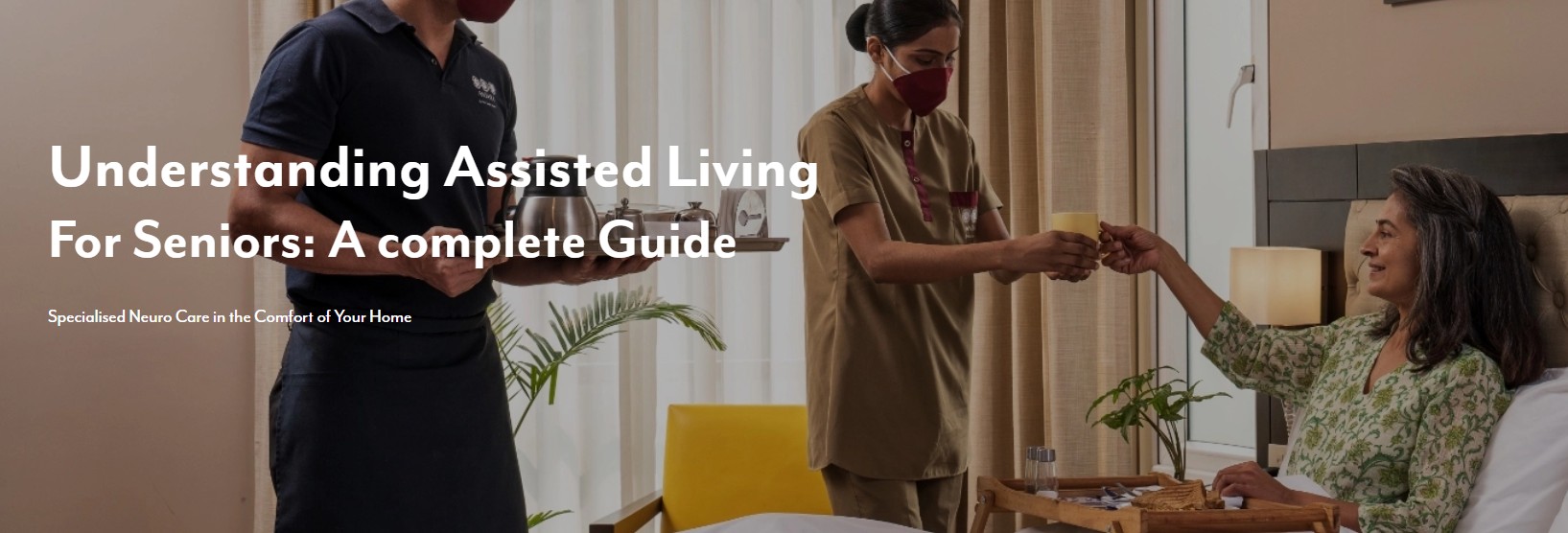
Understanding Assisted Living For Seniors: A complete Guide
Assisted Living
The global senior population is experiencing a profound shift, with forecasts predicting a steady and significant rise in the coming decades. This demographic shift has made assisted living an increasingly vital component of senior care, especially considering that 4 in 10 seniors between ages 65 and 79 experience at least one disability relating to mobility, self-care, or household activities.
Today's assisted living facilities offer a balanced solution for seniors who need support while maintaining their independence. While the national median monthly rate for assisted living is substantial, it remains a more cost-effective option than nursing homes. The assisted living communities provide various wellness programmes and recreational activities, enhancing residents' quality of life.
This comprehensive guide explores the evolution of assisted living, signs that indicate when it might be the right choice, daily life in these communities, and essential factors to consider when evaluating different facilities.
The Evolution of Assisted Living in Modern Senior Care
The concept of assisted living began as a response to inadequate care options for seniors in the 1970s. Initially, elderly individuals needing support had limited choices—either hire home care professionals or enter nursing homes, which were often viewed negatively due to institutional settings and rumoured mistreatment.
How assisted living has changed over time
The assisted living movement emerged from a fundamental desire to create better living environments for seniors. In the mid-1970s, Dr. Keren Brown Wilson is widely credited as the founder of modern assisted living facilities. Tasked by her mother to develop better options for ageing seniors, Dr. Wilson examined the institutional aspects of nursing homes that residents disliked, such as communal bathrooms and lack of privacy.
The first modern assisted living facility, Park Place, opened in 1981 in Portland, Oregon. This groundbreaking community offered residents private rooms, 24-hour emergency staffing, and communal areas for socialisation—features that would become hallmarks of the assisted living model.
During 1986-1993, providers, consumers, and state governments became increasingly interested in this new approach to senior care. Four distinct models emerged during this period:
- Hybrid Model: Emphasised resident autonomy and avoided healthcare terminology, preferring terms like "community" rather than "facility."
- Hospitality Model: Common in metropolitan areas, focusing on amenities such as housekeeping, activities, and visual appeal
- Housing Model: Prioritised cost value for moderate to low-income populations
- Healthcare Model: Evolved from nursing homes, emphasising medical practices and health monitoring
The 1990s marked an era of significant expansion. By 1991, many residential care facilities offering support services had begun calling themselves "assisted living."
Subsequently, between 1994 and 2000, the industry experienced rapid growth fuelled by Wall Street investment. However, this period also saw a dilution of founding ideals and emerging quality concerns.
Today's Assisted Living Model
Today's assisted living facilities combine elements from all four historical models. Modern communities typically offer condominium-style living where residents receive discreet care according to their preferred schedules. Additionally, these facilities encourage participation in activities but respect residents' autonomy to choose their daily routines.
The industry has grown significantly since its inception.
Modern assisted living facilities prioritise resident-centred design. Most newer buildings feature wheelchair-accessible bathrooms and kitchens, extra-wide hallways and doors, and compliance with accessibility legislation.
Design considerations now extend beyond mere functionality. Contemporary assisted living facilities feature private apartments with functionality in mind, including beds, dining spaces, kitchenettes, and spacious bathrooms.
As the population continues to age, assisted living remains a testament to evolving needs and expectations, offering a balanced approach between independence and necessary support.
Assisted living represents a middle ground where residents receive exactly the help they need while retaining control over their lives. Quality facilities create personalised care plans based on each individual's specific needs and preferences, considering the whole person rather than just medical conditions. These plans adapt as residents' needs change, ensuring they receive appropriate support without unnecessary intervention.
Performing daily tasks independently, even small ones, helps maintain skills and promotes self-worth. For instance, if a resident needs help with house cleaning and bathing but can dress themselves and prepare simple meals, continuing these activities preserves abilities and reduces dependency.
Today's assisted living model recognises this need, offering transportation services so residents can attend appointments, visit shops, or participate in community events.
Daily decision-making forms the cornerstone of independence in assisted living environments. Residents maintain control over numerous aspects of their lives, including:
- Designing their daily schedule, including when to wake up, eat meals, and go to bed
- Choosing which activities to participate in and which to skip
- Deciding when to socialise and when to enjoy solitude
- Selecting personal furnishings and decorations for their living space
Shared decision-making between staff, residents and families creates an inclusive atmosphere where everyone collaborates using the best evidence. This approach views decision-making as an ongoing process rather than a one-time event, fostering collaboration and reciprocal relationships.
Expressing preferences clearly helps staff effectively support lifestyle choices. Studies show that residents who communicate their wishes assertively yet respectfully generally experience a more comfortable and enjoyable living experience. Taking ownership of one's needs and preferences remains vital even in a supported living environment.
Privacy forms a fundamental aspect of maintaining dignity and independence in assisted living. Most facilities provide private living apartments where residents can maintain personal space and routines. This privacy extends beyond physical spaces to communications, with residents typically having the right to private telephone calls, unopened correspondence, and visits from family and friends. These rights remain protected even as staff ensure essential monitoring to safeguard residents' well-being.
Signs That Assisted Living Might be the Right Choice
Recognising when a loved one might benefit from an assisted living facility often involves observing subtle changes in their daily life. These signs don't appear overnight but gradually become more apparent as time passes. Making this decision requires meticulous consideration of various factors that affect an older adult's quality of life and safety.
Safety concerns at home
The home environment can become increasingly hazardous for older adults with declining health or mobility. Falls represent one of the most serious safety risks—the National Council On Ageing reports that every 11 seconds, an older adult is treated for a fall in an emergency room.
Safety concerns that often suggest assisted living might be appropriate include:
- History of recent falls or near-falls in the home
- Difficulty navigating stairs or managing household features
- Impaired memory – leading to forgotten stove burners or unlocked doors
- Home design limitations, such as inaccessible bathrooms or bedrooms
Most homes aren't built with seniors in mind, whereas assisted living facilities are specifically designed to meet the needs of older individuals with mobility challenges. Features like accessible bathrooms, wider hallways, and emergency response systems provide a safer environment for vulnerable seniors.
Social isolation indicators
Social isolation represents a significant health risk that often goes unnoticed. Studies show that approximately 28% of older adults live alone, though not all experience loneliness.
Signs that social isolation might be affecting your loved one include:
- Withdrawal from previously enjoyed hobbies or social events
- Limited interaction with friends, family, or neighbours
- Behavioural changes like increased irritability or seeming depressed
- Making excuses to avoid participation in community events
The health implications of isolation extend beyond emotional well-being. Social isolation has been related to cognitive decline, chronic diseases, and even conditions like high blood pressure and cardiovascular disease. Thus, assisted living communities with built-in social opportunities may offer valuable benefits when these signs appear.
Struggles with daily activities
Many older adults find everyday tasks increasingly difficult as they age. Nearly 13.4% of adults aged 75 and older needed personal care assistance. These struggles often start with challenges handling routine activities that were once second nature.
Activities of daily living (ADLs) present frequent concerns for seniors who might benefit from assisted living. These include:
- Emotional and physical exhaustion
- Withdrawal from friends and family
- Changes in sleep patterns or appetite
- Increased irritability or frustration
If you are experiencing these symptoms while caring for a loved one, considering assisted living isn't a failure but rather a recognition that professional care might better serve everyone's needs. Many families find that transitioning to assisted living improves their relationship with their loved ones, as it removes the strain of caregiving responsibilities.
A Day in The Life at An Assisted Living Facility
Life at an assisted living facility balances structure with personal choice, creating a daily rhythm that supports residents while respecting their independence. Unlike common misconceptions about institutional living, modern assisted living communities offer flexible schedules tailored to individual preferences and needs. Understanding what happens throughout a typical day helps prospective residents and their families make well-informed decisions about this significant lifestyle change.
Specialised Care Options Within Assisted Living Facilities
Modern assisted living facilities have expanded far beyond basic care to include specialised services for residents with specific health needs. These tailored care options allow seniors to receive appropriate support while remaining in a less clinical environment.
Memory care units
Memory care units focus specifically on individuals with Alzheimer's disease and other cognitive impairments. They create secure environments that minimise wandering risks while providing structured daily routines that help reduce anxiety and confusion in residents with dementia.
Staff in these units receive specialised training in:
- Managing challenging behaviours
- Providing cognitive stimulation through tailored activities
- Supporting residents' emotional well-being
Studies reveal that patients in memory care units experience better management of behaviours and medications compared to those in general nursing homes, often with reduced reliance on anti-psychotic drugs and physical restraints.
Maintaining Independence While Getting Needed Help
For older adults living in assisted living facilities, maintaining a sense of independence remains essential even as they receive necessary assistance. Research consistently shows that autonomy and making everyday decisions significantly impact the quality of life for older people in care settings. The challenge lies in finding that sweet spot where support meets independence without compromising dignity or safety.
Specialised Care Options Within Assisted Living Facilities
Modern assisted living facilities have expanded far beyond basic care to include specialised services for residents with specific health needs. These tailored care options allow seniors to receive appropriate support while remaining in a less clinical environment.
Technology in Modern Assisted Living Environments
Technology has steadily transformed the landscape of assisted living, creating safer, more connected environments for residents. These innovations, from digital health monitoring to interactive platforms, enhance care quality while preserving residents' dignity and independence.
Advanced safety technologies now form the backbone of modern assisted living facilities. Wearable devices have become increasingly popular among seniors, monitoring health metrics and providing alerts during emergencies. These personal devices transmit heart rate and step count information in real-time, helping staff respond quickly to potential issues.
Motion detection sensors represent another critical safety component, particularly beneficial for residents with memory challenges:
- They help detect when residents with dementia wander into unsafe areas
- They can recognise when a resident falls and cannot call for help
- They trigger alerts if someone has been inactive for unusually long periods
Real-time location sensors coupled with wander management systems create safer environments tailored to residents' needs, ensuring they remain secure both inside and outside the facility.
Digital platforms have revolutionised how assisted living residents stay connected with family, caregivers, and each other. These systems make it easier for staff to communicate with each other, families, and residents on one platform.
Voice-activated technologies like Amazon's Alexa and Apple's Siri offer practical benefits:
- They empower seniors to control devices using only their voice
- They enable residents to make requests, access information, and control their environment
- They help with everyday tasks such as turning on lights, setting reminders, and playing music
These communication tools prevent social isolation by making interactions simpler and more rewarding for residents while keeping families informed about their loved one's well-being.
Innovative entertainment options now bring enriching experiences directly to assisted living residents. Virtual reality technology provides immersive experiences such as virtual travel or museum tours, offering cognitive stimulation and entertainment.
Devices designed specifically for seniors have made technology more accessible:
- GrandPad tablets feature simple navigation, large buttons, and enhanced sounds
- They come pre-loaded with applications for video calls, music, photos, games, and email
- Audiobook platforms like Audible offer over 180,000 titles in more than 100 languages
Virtual experiences enable residents to participate in activities regardless of mobility limitations. Even those unable to leave the facility can enjoy virtual museum tours and interact with art while streaming services bring favourite classic films directly to residents.
Why Choose Antara Care Homes
Antara Care Homes stands out in assisted living with its specialised approach to elder care. Part of the renowned Max Group, these facilities offer a unique blend of medical expertise and personalised attention that addresses the evolving needs of seniors requiring daily assistance.
Antara provides specialised residential facilities for both short—and long-term care needs. Their services extend beyond basic assisted living, including pre- and post-operative care, memory care, and rehabilitation services. This comprehensive approach creates a bridge between independent living and nursing homes, giving families multiple options based on their loved one's specific requirements.
The continuous care approach at Antara ensures every resident receives holistic attention through regular assessments that help adapt their care plan as needs change. Their team has experience handling various clinical specialities, including oncology, cardiac, neuro, orthopaedic, and memory care patients.
Health services at Antara include:
- Personalised care plans created by a multidisciplinary team
- 24x7 nursing care and attendant support
- Regular doctor consultations and daily vital monitoring
- Medication administration and emergency response
- Rehabilitation therapies, including physical and occupational therapy
Equally important, Antara Care Homes features senior-specific design elements such as step-free access, emergency buttons in rooms and bathrooms, grab bars, and a secure campus environment. These thoughtfully designed spaces include fully-furnished air-conditioned rooms with senior-friendly beds and orthopaedic mattresses.
Residents benefit from nutritionally assisted meals prepared fresh daily while enjoying engagement activities specifically curated for cognitive stimulation. The facilities host regular events and wellness activities, including yoga, meditation, and various recreational options.
Currently operating in Delhi-NCR and Bengaluru, Antara differs from typical nursing homes, which are often government-funded or run by non-profit organisations. Instead, these privately owned facilities provide a vibrant, homelike environment where seniors can thrive while receiving the specialised care they deserve.
Conclusion
Assisted living facilities have transformed senior care through their resident-focused approach. These communities offer essential support while preserving independence, making them a practical choice for ageing adults who need daily assistance. Modern facilities like Antara Care Homes blend medical expertise with comfortable living spaces, creating environments where seniors thrive.
Technology advances continue to enhance resident safety and engagement through monitoring systems, communication tools, and entertainment options. Specialised care units address specific needs such as memory care and diabetes management, allowing residents to receive targeted support without moving to nursing homes.
The decision to move to assisted living marks a significant life change that requires careful consideration. Families should evaluate facility quality through staff qualifications, resident satisfaction measures, and state ratings.
Assisted living remains a testament to evolving senior care, proving that ageing adults can maintain their dignity and independence while receiving necessary support. This balanced approach helps seniors confidently enjoy their golden years, knowing they have access to care when needed.
Frequently Asked Questions
What exactly is assisted living?
Assisted living is a type of residential care for older adults who need help with daily tasks but don't require full-time nursing care. It offers a balance of independence and support, providing assistance with activities like meal preparation, bathing, and medication management in a homelike environment.
How do I know if assisted living is the right choice for my loved one?
Signs that assisted living might be appropriate include struggles with daily activities, safety concerns at home, social isolation, and caregiver stress. Consider assisted living if you notice your loved one having difficulty with personal hygiene, meal preparation, or household maintenance.
What does a typical day look like in an assisted living facility?
A typical day in assisted living includes structured meal times, optional activities and health services, and plenty of free time. Residents can participate in exercise classes, educational workshops, and social events while receiving assistance with personal care and medications as needed.
How do assisted living facilities maintain residents' independence?
Assisted living facilities strive to balance support with independence by allowing residents to make their own choices about daily schedules, activities, and living space decoration. They provide necessary assistance while encouraging residents to perform tasks they're capable of doing independently.
What role does technology play in modern assisted living environments?
Technology plays a significant role in enhancing safety, communication, and engagement in assisted living. This includes wearable devices for health monitoring, motion sensors for fall detection, voice-activated assistants for daily tasks, and virtual reality for entertainment and cognitive stimulation.